

Some of the most important equipment in a gym is the flooring.
Neglecting to install a safe and functional flooring solution undermines all efforts to create an effective workout environment.
The right flooring is the foundation for gym safety. It provides a non-slip, low-impact and easy-to-sanitise workout surface.
What to look for in gym flooring
Safety must be a priority when choosing gym flooring. The surface should be non-slip and shock absorbing to help cushion and protect the users’ joints and muscles.
Finding a flooring option that’s easy to clean and maintain is vital, especially for busy commercial gyms.
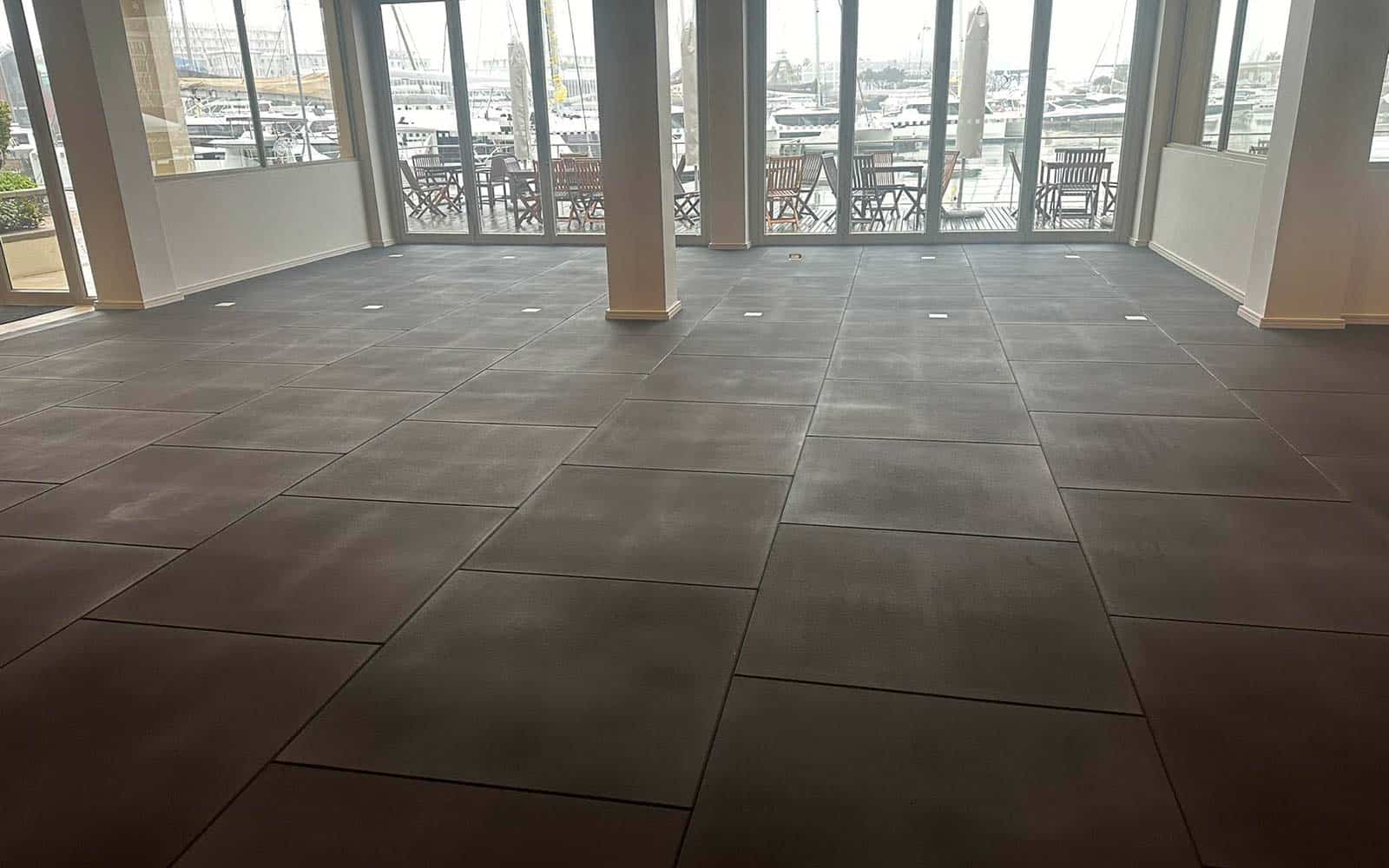
Durability ensures your gym flooring is long-lasting, even with repeated and prolonged use.
Another consideration is the colour, especially if you want to co-ordinate with your branding. Also assess the floor’s eco-friendliness.
Acoustics should be considered. There is gym flooring available that can significantly reduce impact noise and echoes, making your gym a more hospitable place and increasing usership.
Gym flooring for weights
The flooring in the weights area must be shock-absorbing, non-slip and thick enough to provide cushioning.
Dropped weights do happen. The last thing you want is a damaged underfloor or excessive noise. Weights areas need frequent cleaning, so easy maintenance is vital.
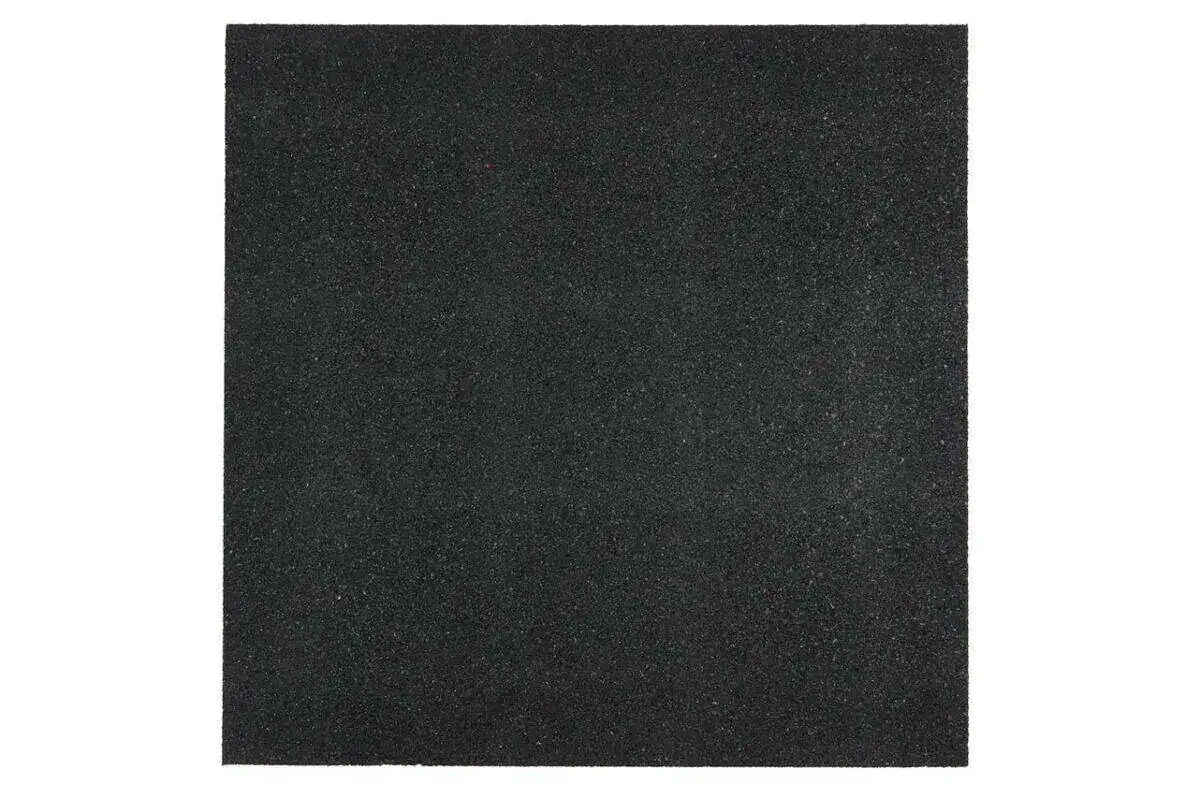
Flooring for gym equipment
Gym equipment such as treadmills and stationary bicycles need flooring that’s easy to clean and non-slip.
These areas don’t take as much wear and tear as others, but require a long-lasting and aesthetically-pleasing flooring option.
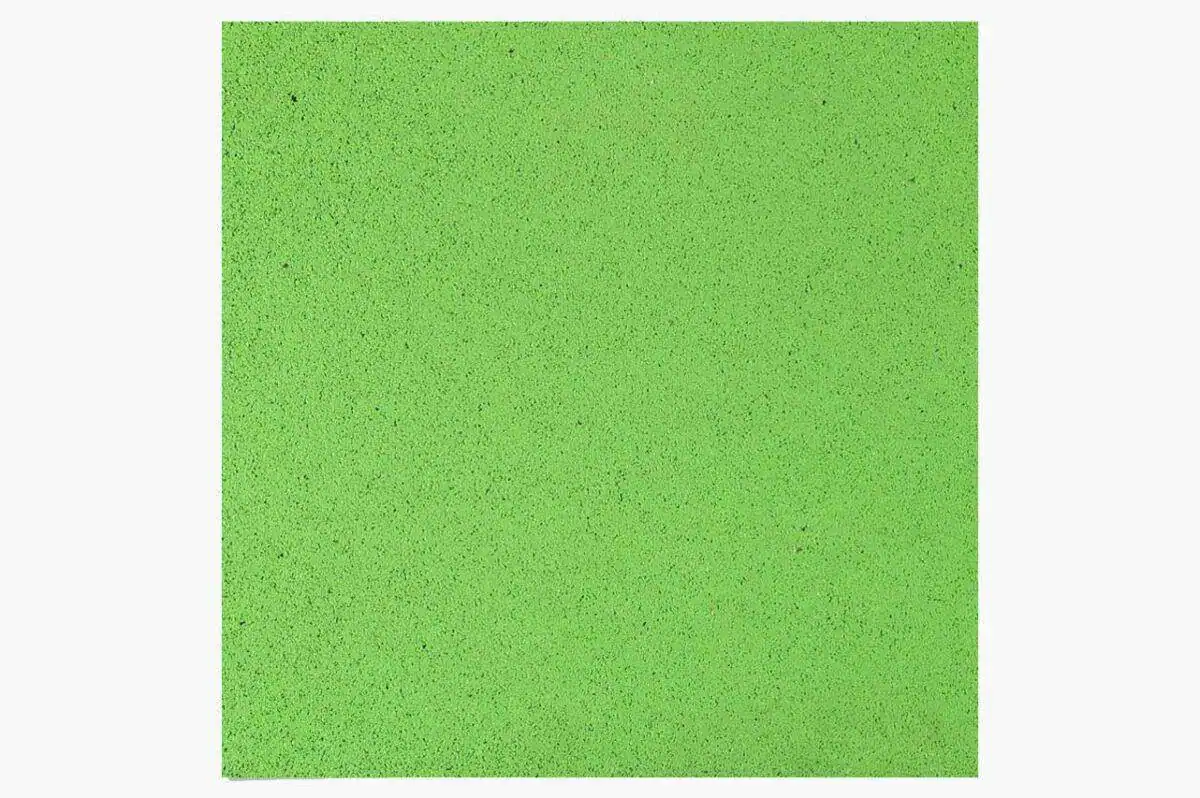
Flooring for workout studios
Workout studios are usually the loudest area in a gym and benefit from noise-dampening flooring options to help reduce impact noise and echoes.
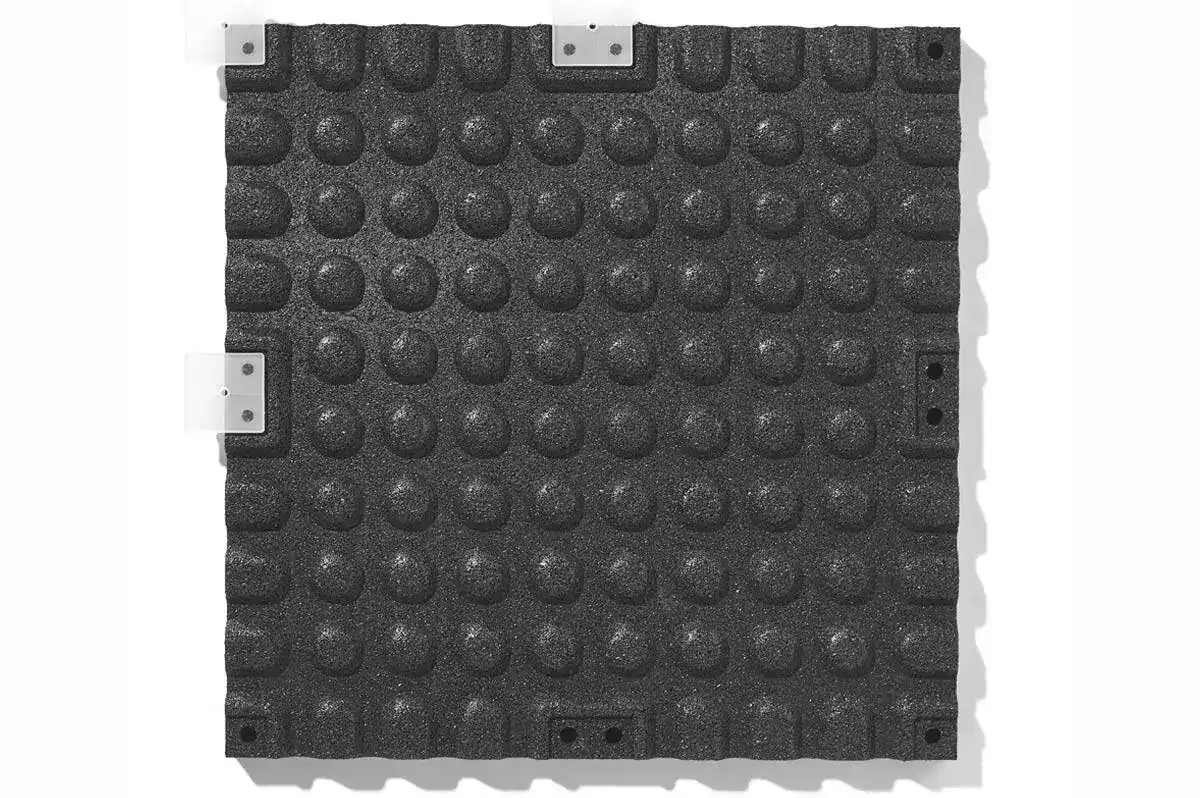
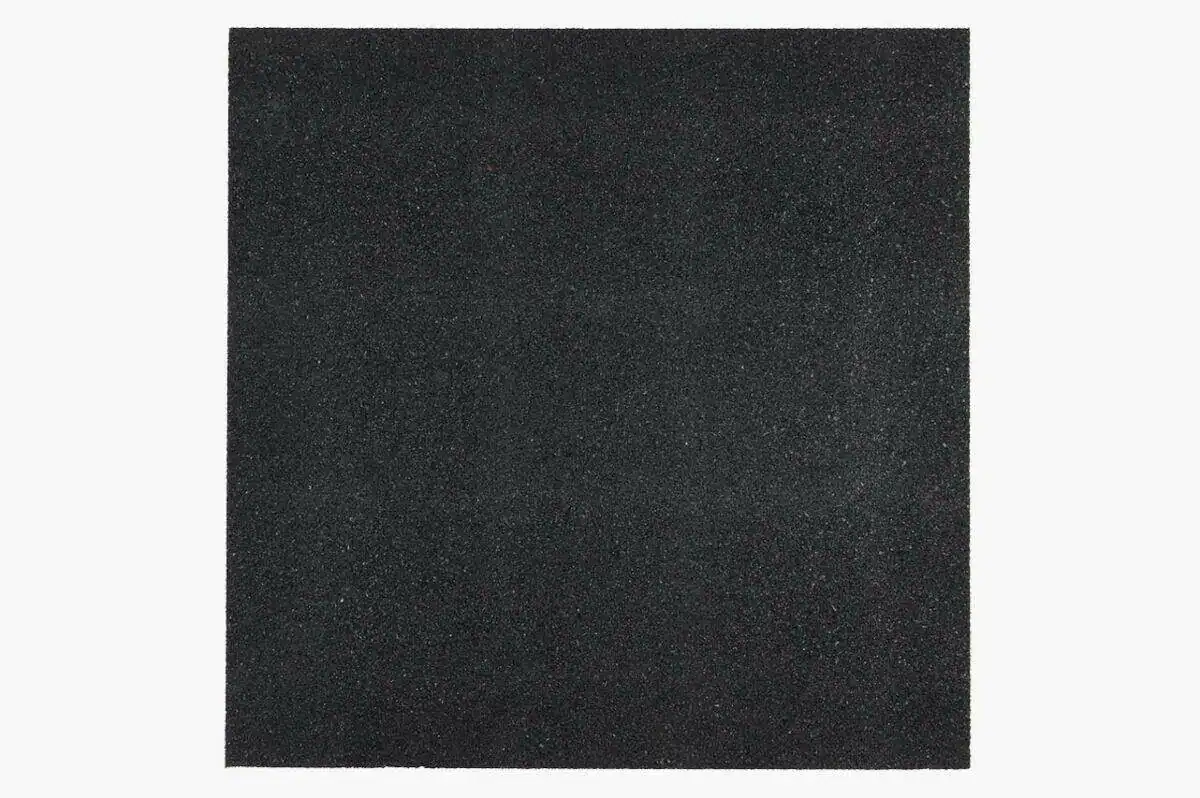
PermaFlex® acoustic gym tiles can reduce noise by up to 30dB. Underfloor acoustic cradles and underlay also help soundproof and cushion workout studio floors.
Flooring for speciality gyms
Speciality gyms focus on one type of exercise, such as outdoor, boxing, Pilates or HIIT, which need specific flooring.
For example, weightlifting gyms should invest in durable and very thick flooring. Studios should aim for acoustic solutions. Outdoor gyms must ensure their flooring is UV stable and highly durable.
What to avoid in gym flooring
Foam is sometimes a cheaper option, but it’s not long-lasting and doesn’t provide sufficient shock absorption for gym flooring.
Carpet is another popular choice, but it’s hard to keep clean and sanitised.
Safety is paramount, so avoid any flooring that doesn’t provide a non-slip surface.
How thick should gym flooring be?
The thickness of your gym flooring will depend on the activity and extent of use.
Equipment areas take less wear and tear, while weights areas need extra thickness to handle heavy impacts.

In areas that carry heavy equipment like treadmills, aim for 15 to 30 mm flooring.
Where users are deadlifting and using extremely heavy weights, a thickness of 40 to 50 mm is necessary.
In outdoor gym areas, aim for a minimum thickness of 20 mm. Home gyms can go lower to about 15 mm.
What makes Van Dyck gym flooring and mats different?
At Van Dyck, we manufacture and supply gym flooring for all types of gyms, from large commercial to speciality and home gyms.

Our rubber flooring is made from highly durable rubber that’s sourced from fully recycled truck tyres, making them an eco-friendly and long-lasting choice. All our flooring solutions carry a Global GreenTag® for certified eco-products.
We offer a range of flooring options, including indoor and outdoor rubber tiles in different thicknesses. We can customise our rubber flooring to match your branding.
We also offer state-of-the-art acoustic flooring solutions, including PermaFlex® acoustic cradles and gym tiles, as well as EcoLay® acoustic underlay for noise and impact reduction.
For the best flooring for weights and gym equipment, visit our online store. Order gym mats and gym tiles for free shipping throughout South Africa. For custom orders and acoustic flooring solutions, get in touch to discuss your gym flooring needs and we will create a tailored obligation-free quote.
