
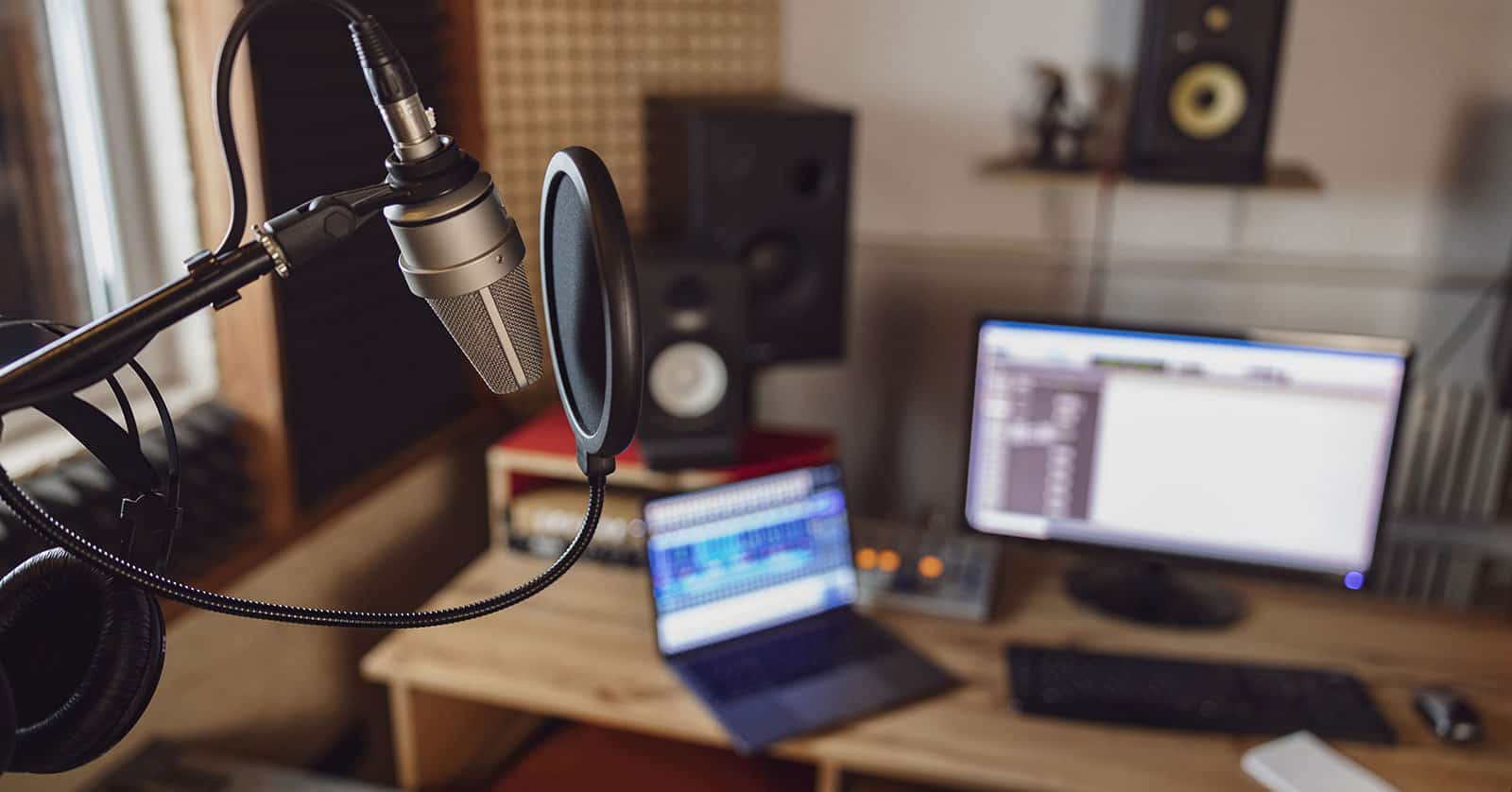
If you’re getting into the world of sound recording, there’s no need to buy expensive professional studio equipment. Many amateur and professional sound producers, musicians, content creators, voice-over artists and sound-recording artists use home studios that they upgrade over time. Here’s how to set up an affordable home sound studio in South Africa.
The space
Firstly, consider where in your home you want to set up your sound studio. The sound-recording equipment can be heavy and/or sensitive. Materials like soundproofing can be hard to relocate, so it makes sense to choose wisely at the start. Decide how much room you’ll need. If you’re only doing voice recording, for example, you’ll need a lot less space than a full band set-up.
Which room is best?
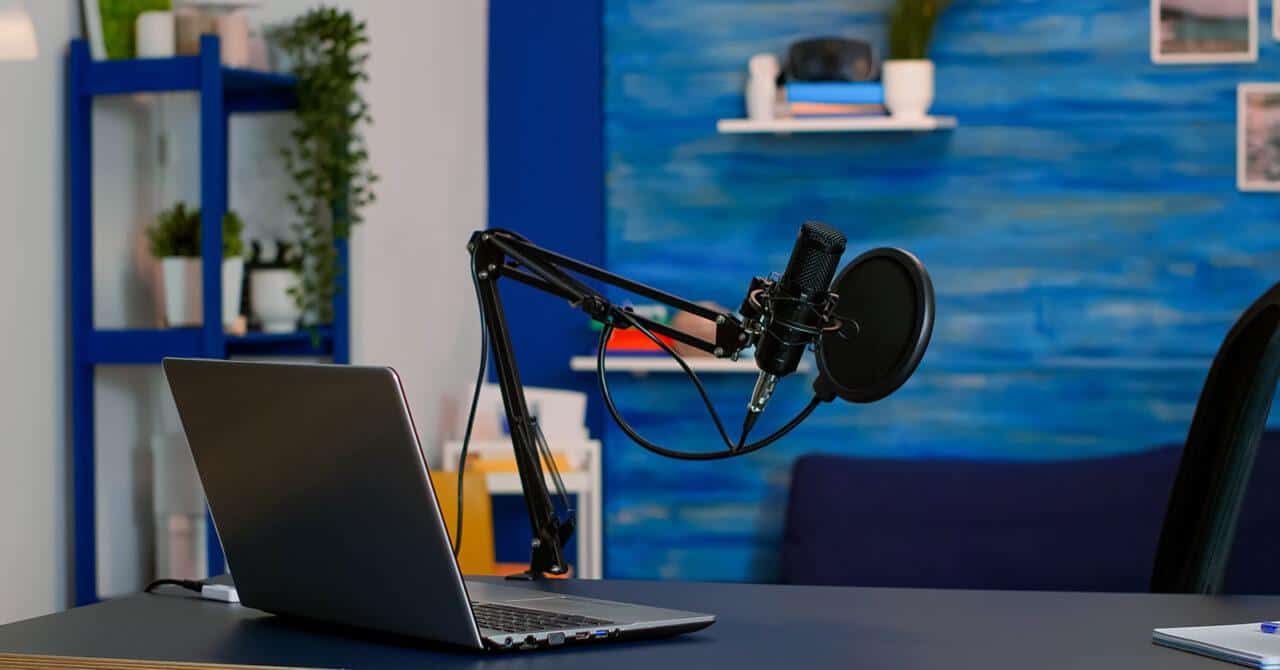
Naturally, a room with a solid door is the best option. If you have an open-plan property, it will be hard (but not impossible) to soundproof the space. If there are multiple rooms, select one that’s furthest from potential noise interruptions. Don’t choose noisy spaces, like a kitchen or a room adjacent a busy road.
If you’re on a budget, the room may need to be dual purpose. Choose a room that gives you the most alone and/or quiet time.
Windows and doors
Windows and doors are inevitable, but they can be soundproofed to minimise noise. The fewer doors or windows there are, the less you’ll spend on soundproofing. Choose a room with the fewest windows. If you have one with no windows (like a basement) then you’ve hit the jackpot.
No interruptions, please
If you share your home, post a do-not-disturb sign. Alternatively, opt for a classic red light outside the door. The cheapest option is a prominent note or sign asking for quiet.
The equipment
Your recording equipment will be your biggest expense.
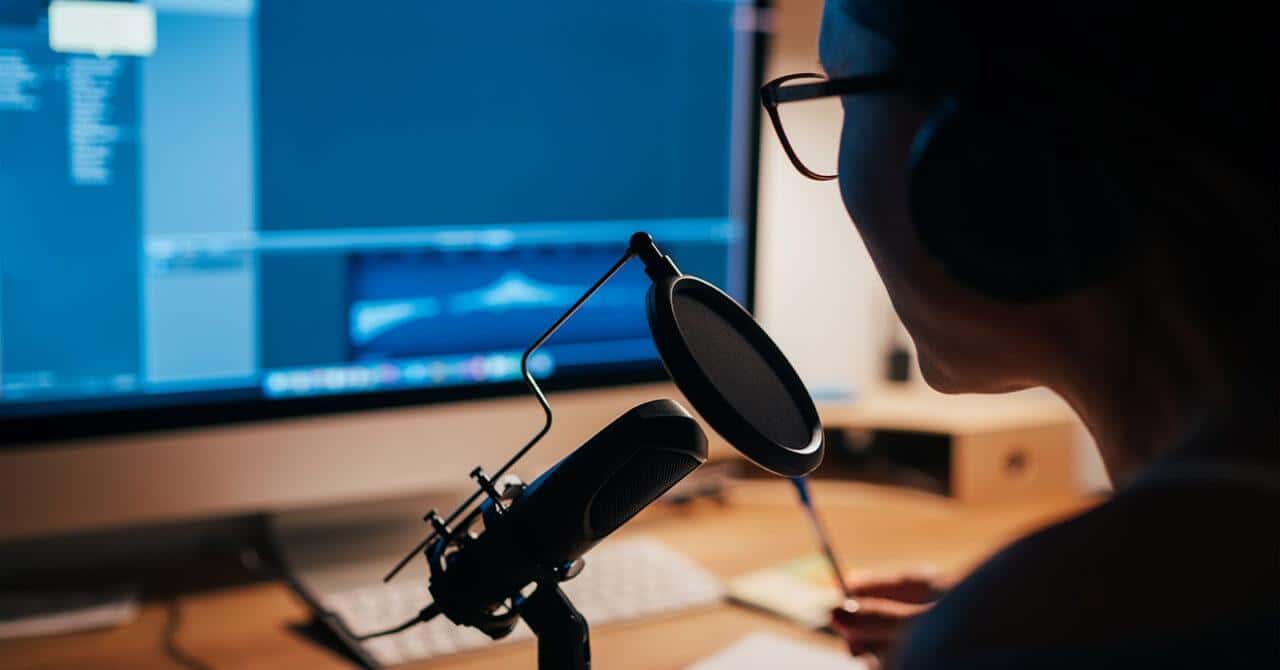
Keep costs down by buying items that can be upgraded over time. Begin with the basics. You might need these items or just a few.
Computer and monitors
A fast computer is a must-have, as well as a good size screen for sound editing.
If you choose a laptop, remember that you may want dual monitors as you upgrade. Laptop components can be harder to upgrade than desktop PC components. Research the market before you purchase.
A computer will cost R10,000 to R20,000, depending on your requirements. Don’t skimp on vital components, such as decent RAM (16 GB minimum) and plenty of hard drive space for your audio files (start with a 1 TB SSD).
DAW software
A DAW is a digital audio workstation. This software allows you to record, edit and produce music and other audio. There are free DAWs, like GarageBand and Audacity, but their functionality is limited. They’re a good place to start and you can upgrade later.
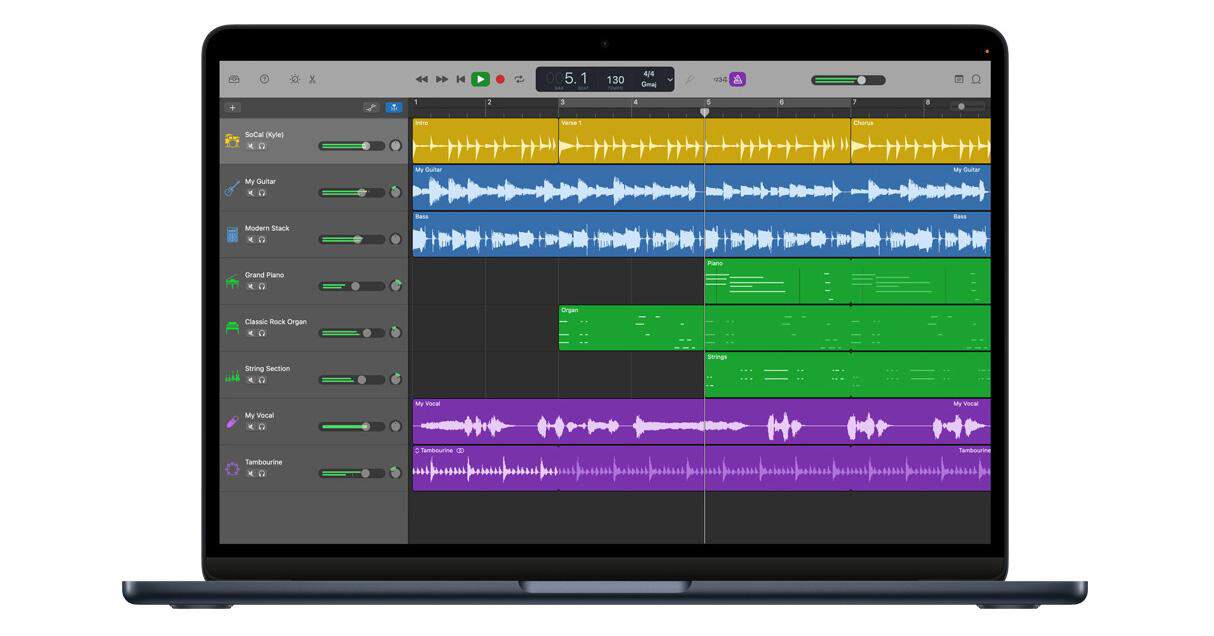
Paid DAWs, like Logic Pro and Cubase, give superior functionality and workflow.
Microphones
A good microphone is a vital part of a sound studio. An entry-level microphone will cost around R1,000; a basic professional microphone will be R2,000 to R3,000.
If voice recording is your focus, look for a microphone that gives you the best quality at a fair price. Don’t rely on a built-in microphone in headphones. You’ll be sacrificing quality.
Headphones
A good pair of headphones is essential for any sound studio. There are numerous budget options, but don’t compromise sound quality. Get a comfortable, over-ear pair from a reputable brand like Sennheiser (about R1,500 to R2,000).
Audio interface
An audio interface allows you to connect your musical instruments and microphones to your computer for better sound quality when recording. It’s only necessary if you’re recording music. A microphone is sufficient if you’re recording voices for a podcast, for example. You can get a good entry-level audio interface for about R1,000 to R1,500.
The room treatment
The room treatment means optimising the space for the best sound-recording conditions.
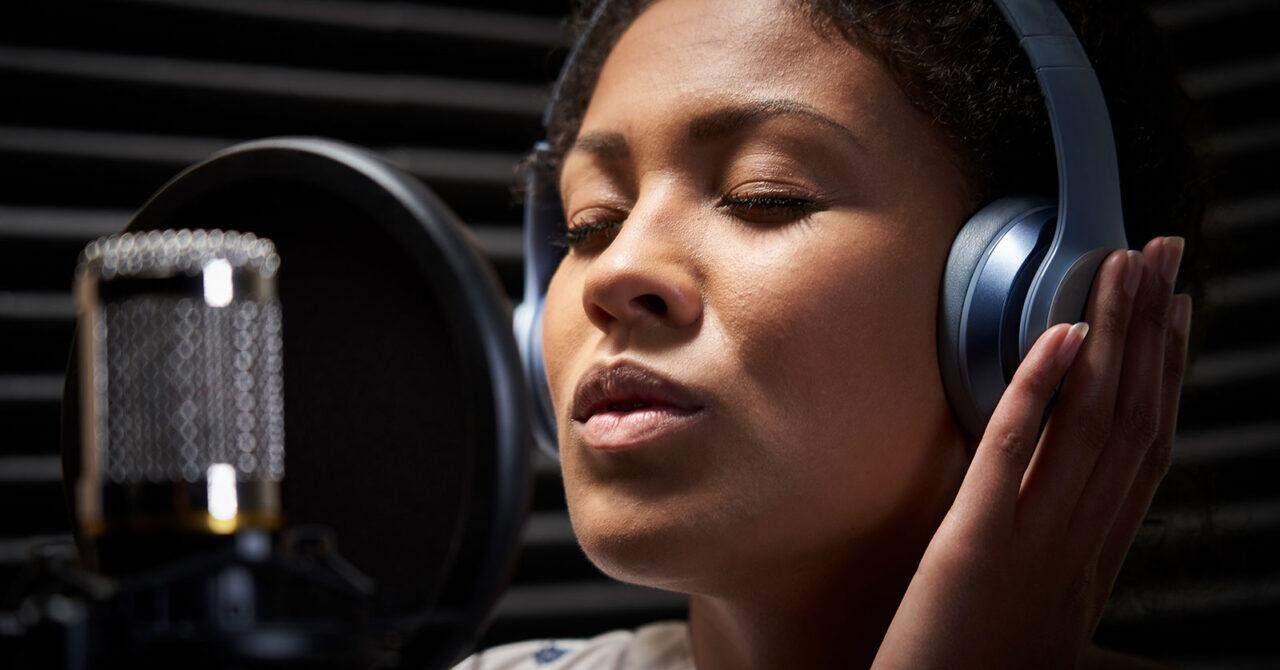
This starts with soundproofing or sound dampening to prevent interference from outside noise and minimising reverberations.
Acoustic tiles
Acoustic tiles or panels that can be attached to the walls and doors are the easiest way to soundproof a room.
These panels absorb sound and vibrations to minimise noise transfer. Just a few attached to the wall, door or the ceiling can make a remarkable difference to a room’s acoustics.
Acoustic panels can be pricey, but you can start with a few and add more as you upgrade your studio.
-

Acoustic/Ballistic Tile
R839.50 incl. VAT

Other budget room treatments
Sound-dampening and absorbing furnishings can help minimise noise and echoes. Heavy curtains (even cushions) at windows and rugs or carpets on the floor are good examples. Smaller rooms have less space to create echoes and room treatment costs less.
At Van Dyck, we manufacture eco-friendly acoustic tiles from recycled rubber. They’re easy to install and can be ordered online. We also have acoustic flooring options. Browse our shop to see our full range or contact us to learn more.
